

Business travel in Seattle usually isn’t “hard”—until it is. A quick five-mile hop turns into a 25-minute crawl near the core. A hotel valet line eats your pickup window. A surprise loading zone forces a block-long walk in the rain. And suddenly the only thing anyone remembers about the day is that you arrived right as your meeting started.
That’s why a Seattle corporate limo service isn’t just a nicer ride—it’s a timing strategy. The goal is simple: show up calm, early, and ready.
Below is a practical checklist (with real booking pointers) that helps meetings stay on schedule.
What business travelers need most
When you’re traveling for work, you’re not looking for “a ride.” You’re trying to protect a chain of deadlines.
Top priorities (in order):
- Predictability: Same standard every time, not “depends on the driver.”
- Professionalism: Quiet, courteous, and familiar with business pickup workflows.
- Time protection: Built-in buffers so one late stop doesn’t ruin the rest of the day.
- Discretion: Minimal conversation, clean vehicle, polished arrival.
- Clarity: Receipts that match corporate expense requirements.
If your travel day includes multiple meetings, the ride plan should feel like a schedule—not a series of improvisations.
Hotel pickups + meeting buffers that actually work
Hotel pickups can be deceptively slow because “pickup time” isn’t the same as “rolling time.” There are a few friction points that repeat across Seattle hotels:
- valet queues and key handoffs
- lobby crowds and elevator timing
- curb restrictions (no-stopping zones)
- conference check-in congestion
The buffer formula (use this every time)
For Seattle corporate rides, add:
- +10 minutes for hotel pickup logistics (valet/lobby timing)
- +10–20 minutes for downtown traffic variability (more during peak commute)
- +5–10 minutes for arrival friction (security desk, badge, elevator, navigating a campus)
- +5 minutes if you must collect someone else (guest, colleague, client)
Quick hotel pickup checklist
- Send the pickup note with hotel name + entrance/valet point (not just the address).
- Confirm who the driver should ask for at valet (your name, group name, or company).
- If you have luggage, plan a “wheels moving” time that’s 10 minutes after your stated pickup.
Meeting arrival checklist
- Use a goal of arrive 10–15 minutes early at the building, not at the curb
- If it’s a large venue, give the driver the exact entrance (main lobby vs. conference entrance).
The on-time meeting day checklist
- List all stops in order (hotel → meeting 1 → lunch → meeting 2 → airport)
- Add start times + hard start times (doors close, keynote begins, client call).
- Decide: point-to-point vs. hourly (multi-stop days usually need hourly)
- Include special needs: luggage, extra passenger, quiet ride, phone call window.
At booking
- Provide pickup specifics: entrance, valet instructions, contact phone.
- Add buffer targets: “arrive at 9:45 for 10:00 meeting”
- Include “wait & return” notes (if you need the car to hold during a brief stop)
Day-of
- Keep one shared ETA thread with whoever’s riding (less confusion)
- If your meeting runs long, message early—don’t wait until you’re walking out
Billing options and receipts that make finance teams happy
Expense reports should be boring. If your receipt is missing details, it becomes a time-wasting email chain.
Look for billing that supports:
- Itemized receipts (date, time, pickup/drop-off, total, tax/tip as applicable).
- Company card on file (avoids individual reimbursement headaches)
- Centralized billing for assistants or travel coordinators
- Invoice-ready summaries for multi-day visits or recurring travel
Pro tip: If you have an assistant, give them one simple rule: Every booking needs a cost center note. Even a short “Sales—Client Visit” helps later.
Vehicle choice for executives
Not every meeting day needs the biggest vehicle. The best choice is the one that matches the tone of the day.
Common pairings:
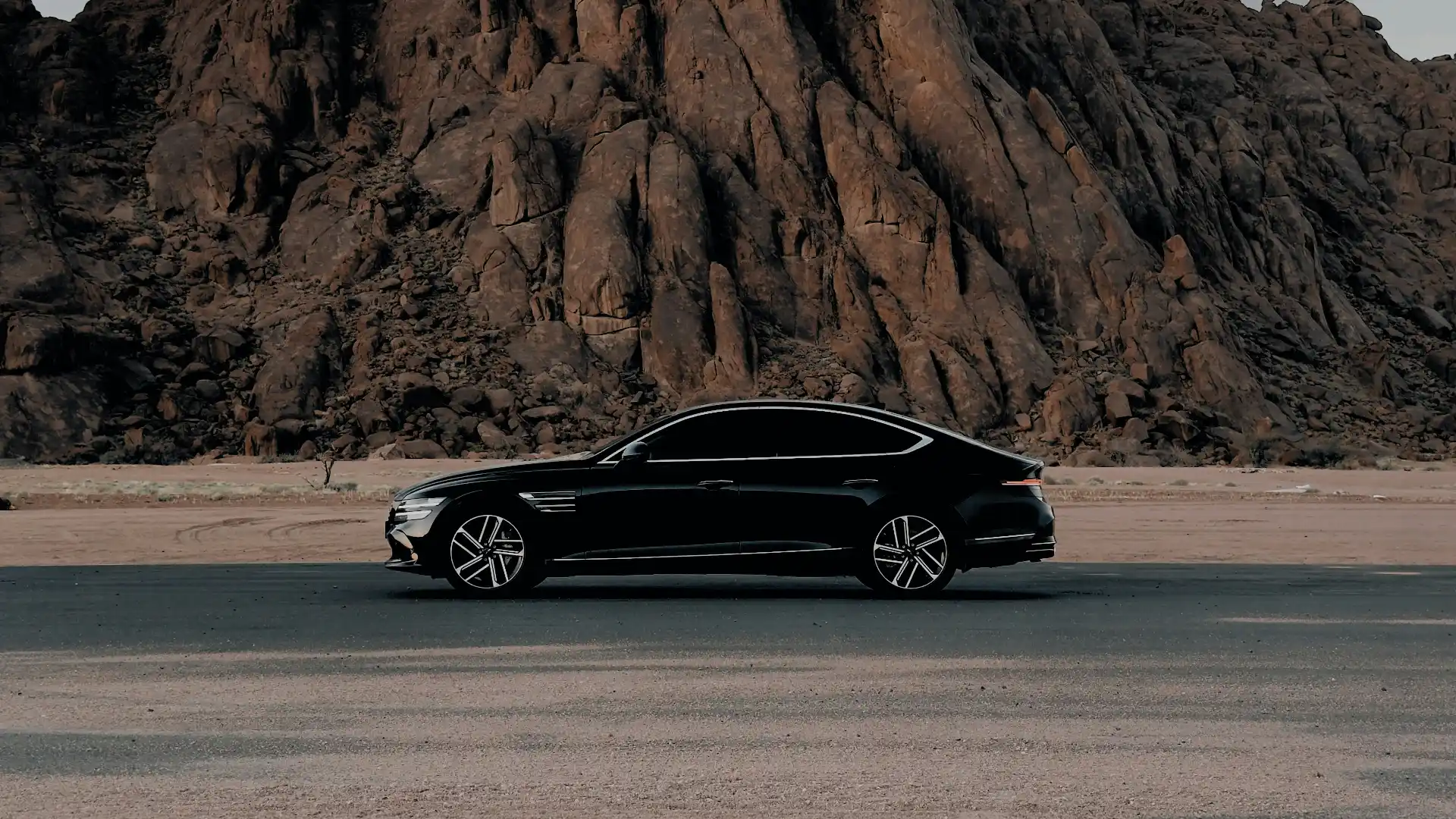
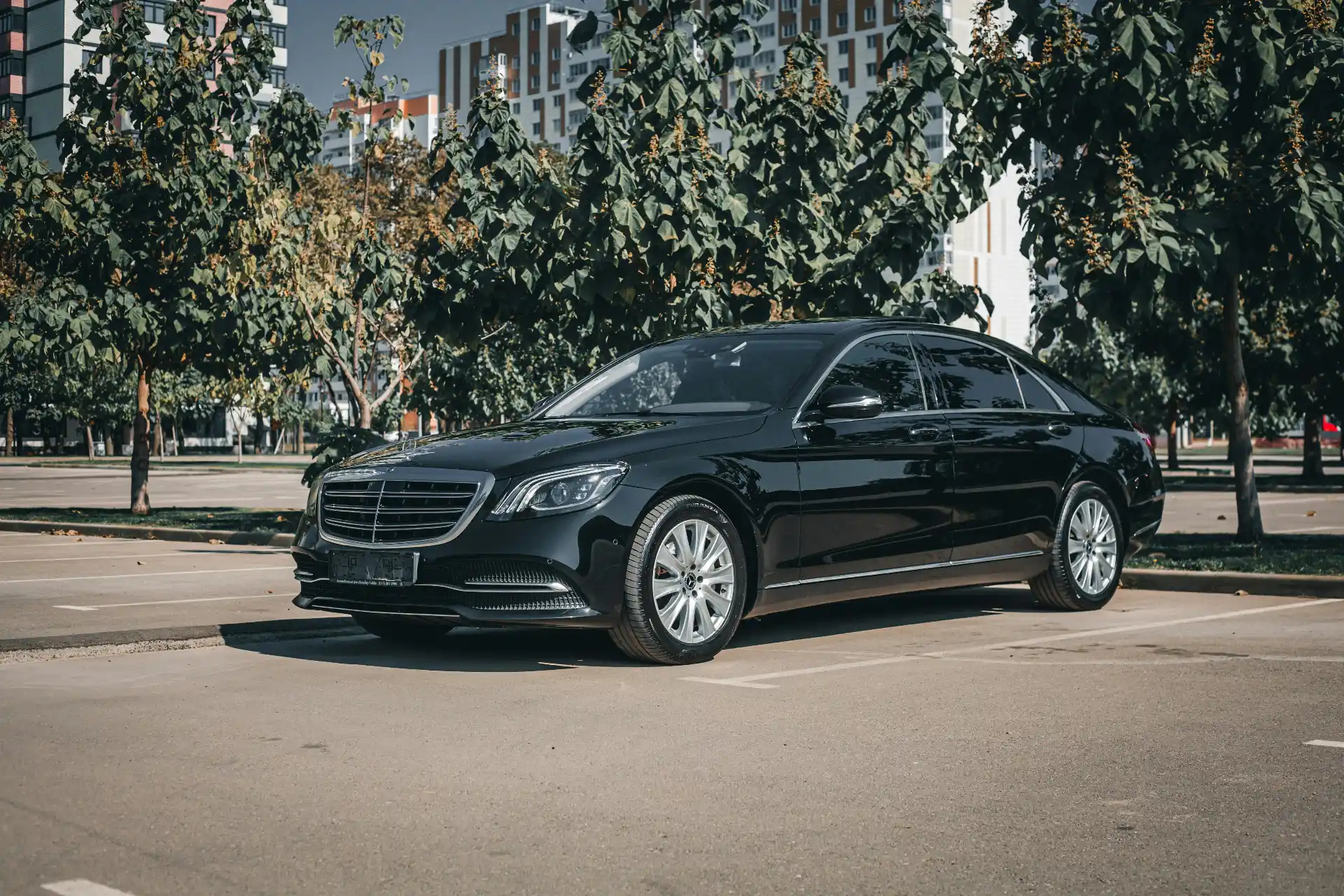
- Executive sedan: best for solo travelers or quiet 1–2 person rides
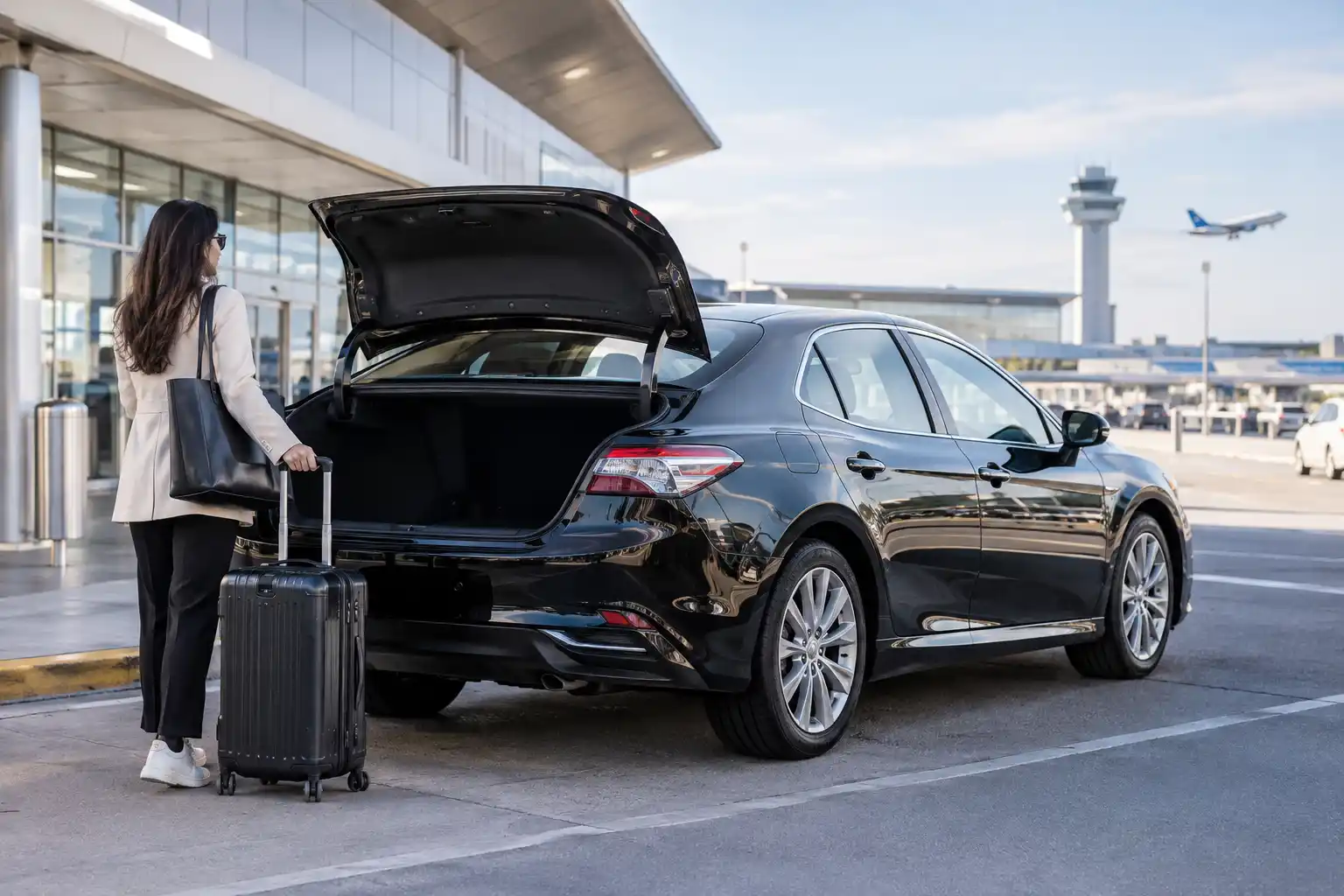
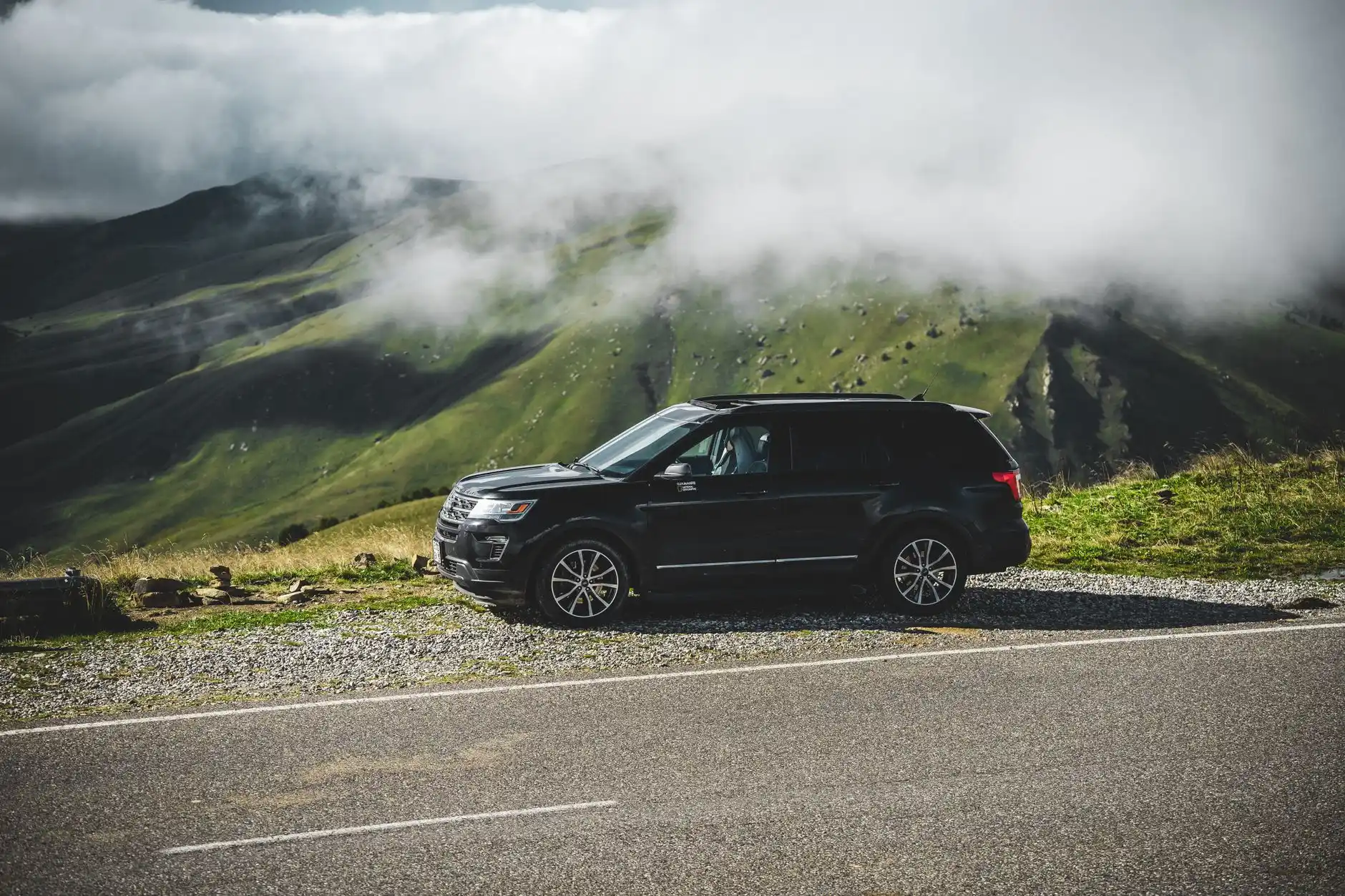
- Luxury SUV: best for luggage, airport transitions, and a more commanding arrival
- Sprinter-style van: best for team movement, events, or multi-passenger itineraries
Executive comfort checklist
- Cabin quiet enough for calls
- Smooth ride for laptop work
- Clean interior (no heavy fragrance)
- Professional curb presence
Multi-stop days: how to book it right
Multi-stop days are where schedules break—unless you book with the right structure.
- Hourly when you have 3+ stops, unpredictable meeting end times, or client-hosted changes.
- Point-to-point when each leg is fixed and you can tolerate small delays.
Give the itinerary the “scheduler treatment”
Instead of “Hotel → meetings → airport,” send:
- Stop list + target arrival times
- Which stops are hard start vs. flexible
- Any wait times (e.g., “wait 10 minutes while I grab materials”)
The two mistakes that cause most delays
- Under-booking time between stops (“It’s only 4 miles!”)
- Not defining wait instructions (driver doesn’t know if they should stay or circle)
If you want a day that stays clean, book your seattle corporate limo service like a calendar—not like a ride.
FAQ
Plan to arrive at the building 10–15 minutes early. For hotel pickups, add 10 minutes on top of your normal travel estimate to account for lobby/valet friction.
Hotel name, the specific entrance/valet location, your name as it appears on the reservation, and a contact phone. If the hotel has multiple towers, specify the correct one.
Yes—ask for itemized receipts and invoice-style summaries if you’re booking multiple rides. Add a cost center note at booking time.
A luxury SUV is often the safest choice—extra cargo space, comfortable cabin, and strong curb presence for client-facing days.